From White to Red: A Guide to Choosing Wine
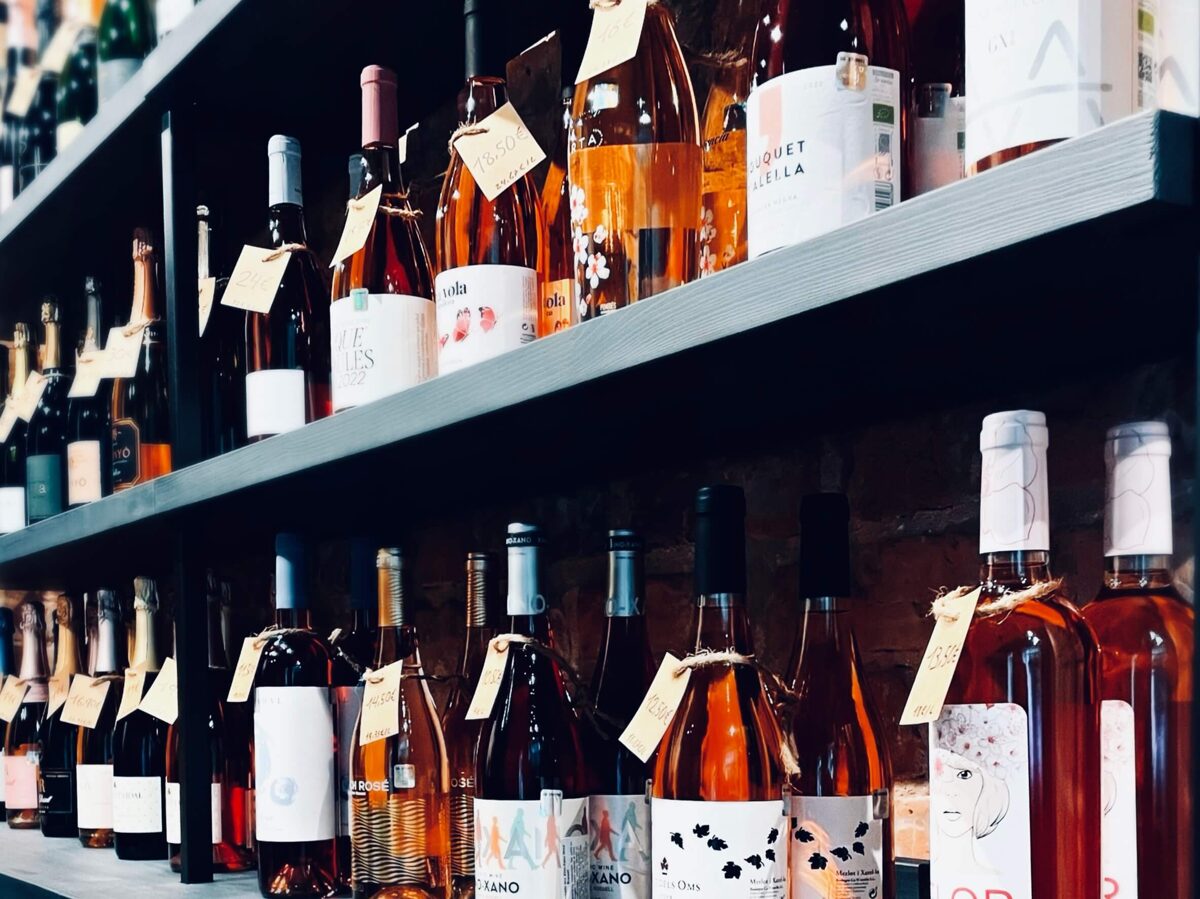
© Raim Catalan Wines
The world of wine is incredibly diverse- from the depth of red wines to the crispness of white, from the bubbles of sparkling wines to the fruity rose wine. But how do you choose the wine that best matches your taste and the occasion?
This article will help you understand the main differences between red, white, sparkling, and rosé wines, offering tips on how to pick the most suitable type for each occasion.
Let’s discover what sets each wine type apart and how to find the wine that will give you the greatest pleasure.
Red vs White: Which One to Choose?
Red wine is made from dark-skinned grapes, fermenting the juice together with the skins, which gives it a deep color and tannins. Tannins make red wine more full-bodied and impart a richer flavor with berry, spice and oak notes (especially if the wine is aged in oak barrels).
When to choose red wine?
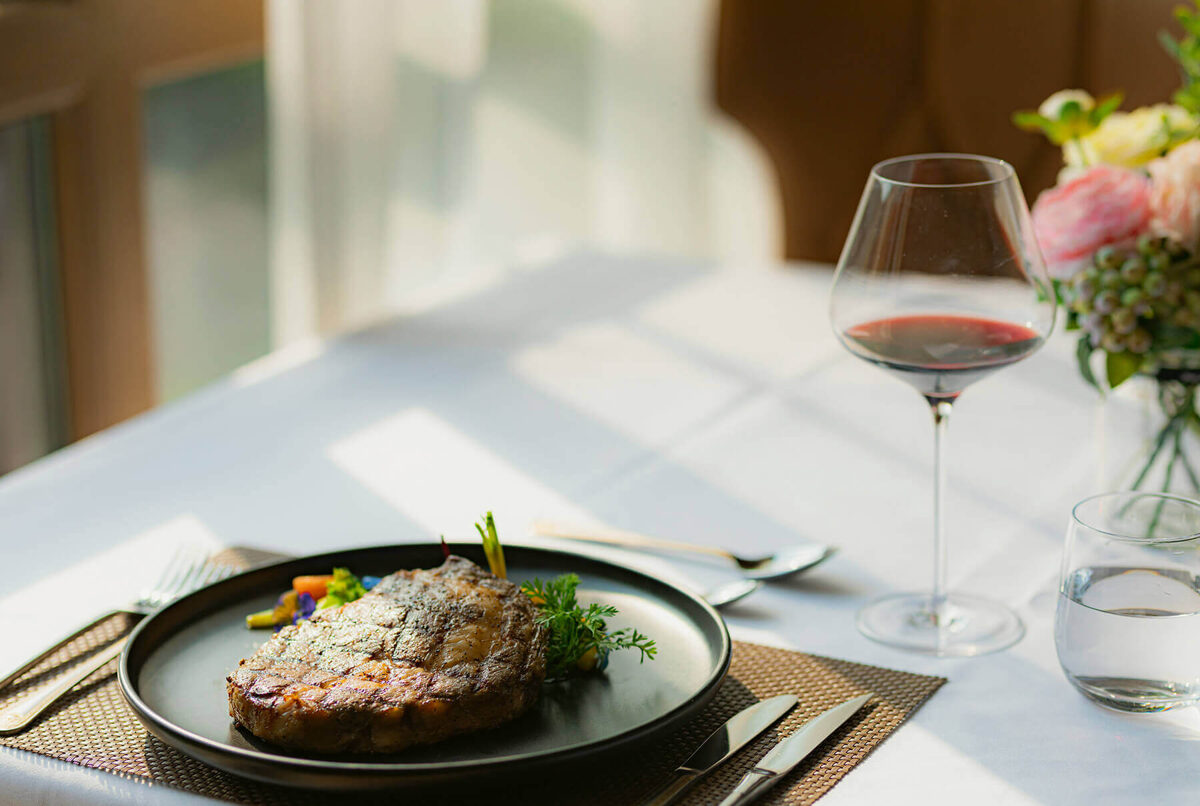
If the centerpiece of your meal is red meat, grilled or hearty dishes, or cheeses, a full-bodied red wine will be a great choice. The tannins and rich body of red wine balance the flavors of fatty foods and “cleanse” the palate after each bite. On cool autumn or winter evenings, a glass of red wine offers a pleasant warming effect.
For example, a robust Bordeaux or an intense Priorat from Catalonia pairs excellently with any kind of meat dish or blue cheese. For a lighter meal, you might choose a fruitier, smoother-style red, for example, a Pinot Noir or a Garnatxa Negra, also from Catalonia – which will go well with a variety of appetizers, pasta or milder cheeses.
“If the dish is light and delicate, it’s safer to choose a white wine (or a very light red wine), but for a hearty, spice-rich meal a full-bodied red wine will be more suitable.”
© Unsplash
When to choose white wine?
White wine is usually fermented from light-colored grapes without extended contact with the skins, which is why it contains very little tannins. White wine fits well in situations where lighter dishes are served: fish, seafood, salads or appetizers. Even as the days grow colder in autumn and winter, we continue to reach for white wines that hold their own alongside richer, heartier dishes.
Full-bodied native varieties like Garnatxa Blanca (White Grenache) have the weight and warmth to accompany rich seasonal dishes. For example, a Garnatxa Blanca from Terra Alta pairs beautifully with creamy poultry stew or roasted root vegetables. Xarel·lo, another Catalan favorite, often gains nutty depth when oak-aged and easily holds its own with roast turkey or a savory mushroom risotto.
And Macabeu - known for its role in Cava - shines in still wines that balance bright fruit with a fuller body, pairing nicely with herb-roasted chicken and other poultry-based dishes - a delicious reminder that the right white can be as cozy in winter as any red.
Nowadays, it is not strictly required that white wine only goes with fish and red wine with meat - what’s more important is that the intensity of the wine and the food are in balance.
From our selection, we recommend:
- Bouquet d’Alella Blanc - a fresh, crisp white wine, ideal with sushi, white meat dishes and salads.
- Gran Clot dels Oms Chardonnay - a balanced, dense and creamy an ideal accompaniment to fish, rice dishes, sushi or to enjoy as a great appetizer.
 © Unsplash
Rosé (Pink) Wine
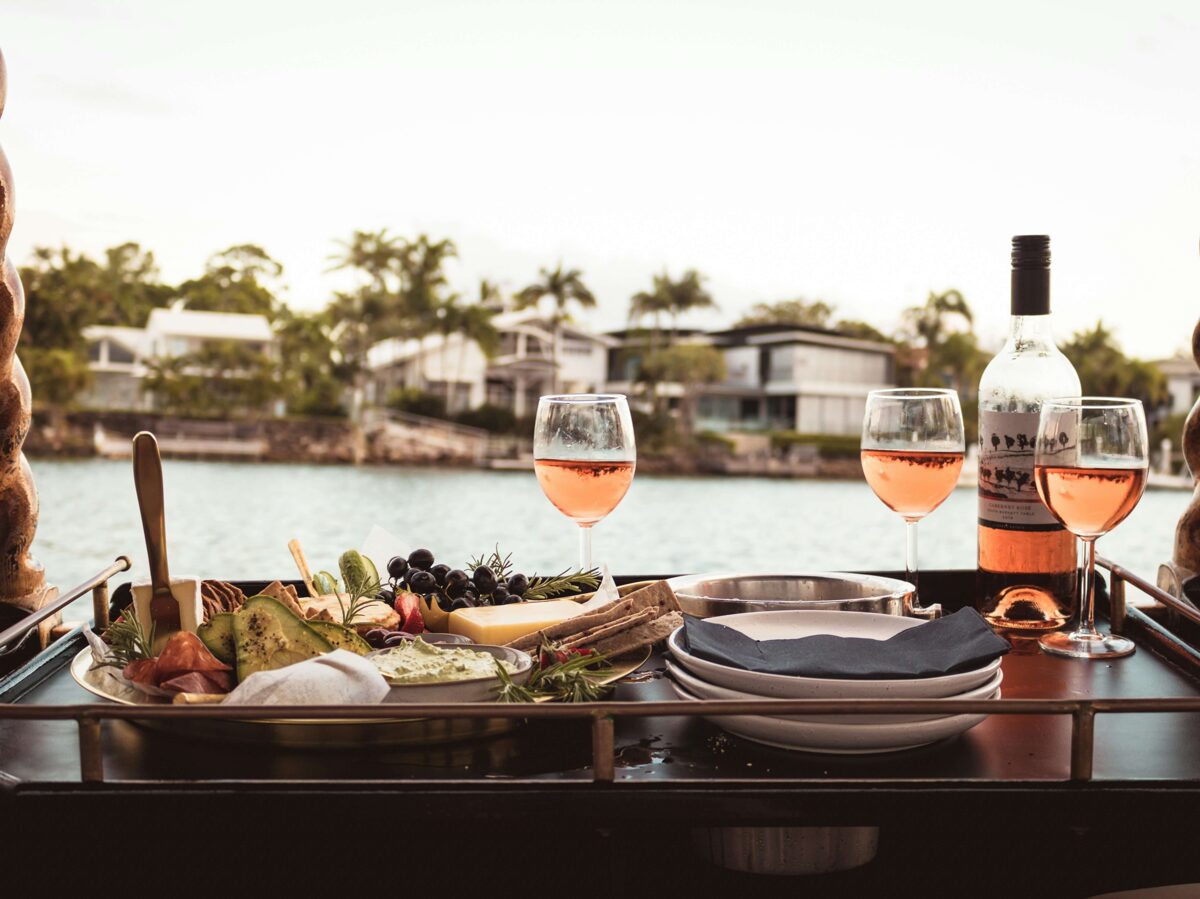
Rosé wine (pink wine) sits at the midpoint between red and white wine. It is typically made from red grapes, allowing the juice only brief contact with the skins, which gives the wine its characteristic pink color. A short maceration period makes these wines lighter, with fewer tannins than reds. Rosés usually have refreshing red berry notes (strawberries, cherries, currants) with lively acidity.
In Catalonia, rosés come in many variations - from lighter and delicate to more intense and aromatic - depending on the grape varieties and region. They are made from local varieties like Garnatxa and Monastrell as well as internationally known classics (Cabernet Sauvignon, Syrah, etc.).
Catalan rosés often stand out with a powerful fruity bouquet and high acidity, giving them a special freshness and versatility. The high acidity and light character make rosé wines an ideal choice both as an aperitif and with Mediterranean-style dishes - seafood, fish, lightly cooked white meats or salads.
From our selection, we recommend:
- Bouquet d’Alella Rosat - a dry (organic) rosé wine made from 100% Garnatxa Negra. The wine pairs excellently with salads, mild cheeses, pasta and fish dishes.
- Notes de Rosat - 100% Carinyena Negra. This lively rosé surprises with its creamy light body and can be enjoyed both as an aperitif and with light appetizers.
- Vola Vola Papallona Rosat - a light, fruity rosé (100% Monastrell) with refreshing acidity. It has notes of red berries, watermelon and violet flowers, which pair beautifully with light pasta or risotto dishes, fish and seafood.

© Unsplash
Sparkling Wine: Festive Bubbles for Every Moment of Life
Sparkling wine is a great choice when you want to create a celebratory feeling or are not sure which wine to choose. - embody a festive mood, but they are not just for special moments. The main difference between these wines lies in both the grape varieties used and the production method.
Champagne (France), Cava and Corpinnat (Catalonia) are made with the traditional method - the wine undergoes a second fermentation in the bottle, creating fine, persistent bubbles and a rich flavor.
In contrast, Prosecco (Italy) is made with the Charmat method - the secondary fermentation takes place in large stainless steel tanks, producing a lighterand slightly sweeter sparkling wine. Therefore, Prosecco is usually fruitier and simpler, whereas Cava, Corpinnat and Champagne are more structured, creamier and have deeper flavor nuances.
When to choose sparkling wine?
Sparkling wine is surprisingly versatile. As an aperitif, a glass of well-chilled Champagne or Corpinnat before a meal stimulates the appetite and creates a festive atmosphere. Thanks to its high acidity and bubbles, sparkling wine cleanses the palate well, so it can be paired with a wide variety of dishes - the bubbles add an elegant accent even to a simple dish.
Cava - Catalonia’s Pride
Cava offers quality on par with Champagne but at a more versatile price range. If you want refined bubbles without overpaying for the “Champagne” name, Cava is a smart choice. There are various styles of Cava - from a lighter Reserva to an aged Gran Reserva - so you can find a suitable option for both a brunch and a candlelit dinner.
- Oriol Rossell Brut Nature- round and silky, pairs well with fish, pasta and any kind of seafood.
- Avinyo Blanc de Noirs - classic Champagne Blanc de Noirs- style made 100% with Pinot Noir, but elaborated in Penedes
- Avinyó Cava Brut Reserva - an elegant Cava with a fresh fruit bouquet, great as an aperitif or for celebrations.
 © Pexels
Tips for Choosing the Right Wine
Food & Pairing: Pay attention to the dish the wine will accompany. For light, delicate meals (salads, sushi, seafood, light appetizers), a lighter, crisp wine is appropriate - for example, a white wine or a very light red. For hearty, creamy dishes (steak, game, stews, pasta), fuller-bodied red wines with pronounced tannins are more suitable.
Season & Temperature: Consider the season and the nature of the event. In summer and warm weather, people tend to prefer a well-chilled, light wine – white or sparkling. In autumn and winter, red wines or oaked whites are often chosen. However, no matter the season, it’s always the right time to try something new. You might find that a Catalan Garnatxa red or a crisp Xarel·lo white is your favorite, or perhaps you’ll be delighted by the bubbles of a Cava or Corpinnat.
Occasion & Mood: Match the wine to the occasion and atmosphere. For romantic dinners or more formal events, a classic red wine or an elegant sparkling (for example, a Corpinnat) is often chosen, as it adds a touch of elegance to the event.
Consultations & Tastings: Remember that enjoying wine is an adventure. If you’re not sure about your choice, ask our store consultant, who will recommend the best option for your taste and situation. We also suggest attending wine tastings to compare different wines and expand your horizons. If you plan to purchase wine from our store and are unsure about your choice, fill out our survey, which will help you determine which wine to order.
Conclusion
The right wine choice isn’t an exact science - it’s a delightful flavor adventure. The key is to understand the specifics of each type of wine and trust your own palate, as well as not forget to enjoy the process itself! Every new bottle you open is an opportunity to discover something new.
At Raim Catalan Wines, you will find a careful selection of wines from Catalonia: majestic Priorat and Montsant reds, crisp Penedès whites, refined Cava and Corpinnat sparklings, and fruity rosés. Come and explore the diversity of Catalan wines! Perhaps your next favorite is waiting at our store.
We also invite you to our thematic tastings to learn and discover more about the world of Catalan wine in a pleasant and friendly atmosphere.
May each glass of wine bring pleasure and new discoveries - cheers!