The Cost of Wine: What’s Really Behind the Price Tag?
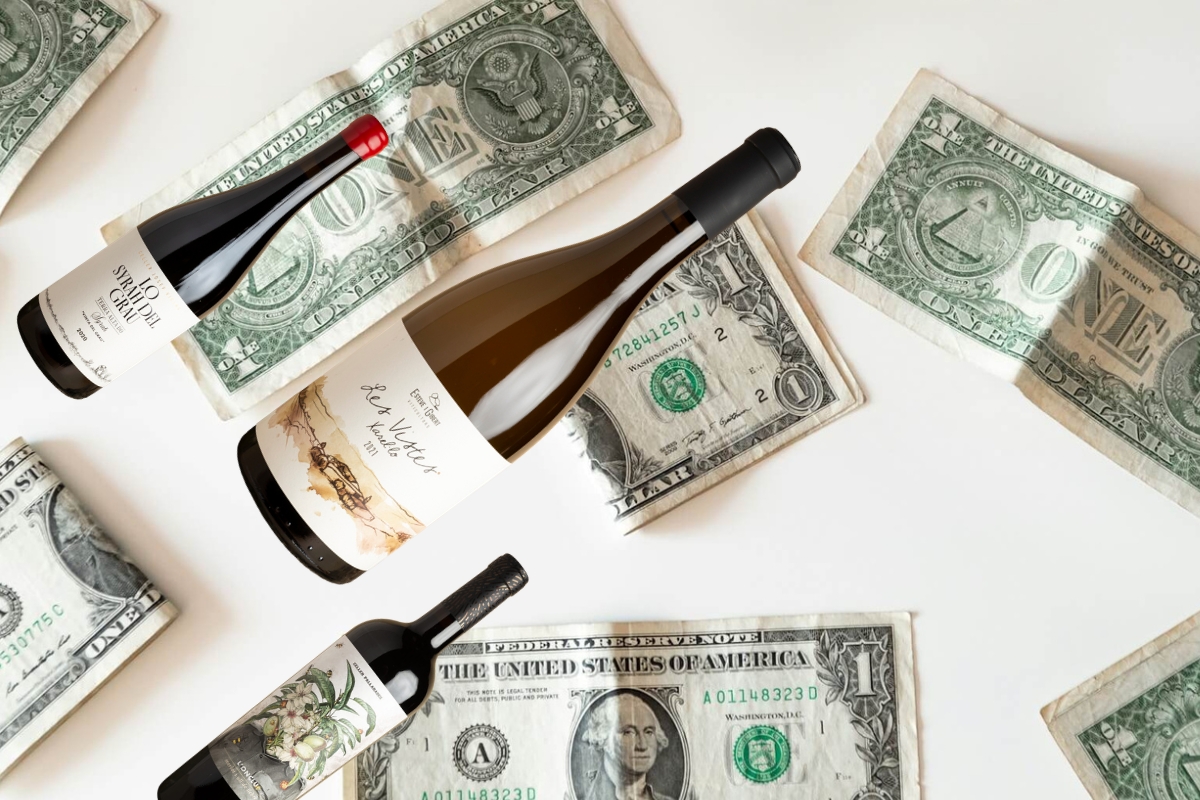
Wine price is not random
Why does one bottle cost €10 while another costs €100 - when both promise pleasure? Wine pricing can feel arbitrary, but in reality it reflects a layered mix of nature, human decisions, time, and market forces.
Unlike many products, wine begins as agriculture -highly dependent on weather, land, and yields- yet it is sold as a crafted, cultural product, where origin, reputation, and expectations matter deeply. Price, therefore, is rarely a pure “quality score” - It is more often a map of constraints and demand.
A key insight from blind-tasting research: when people are unaware of the price, they do not reliably prefer more expensive wines. Therefore, expensive often means different, not automatically better for everyone.
Scarcity and terroir
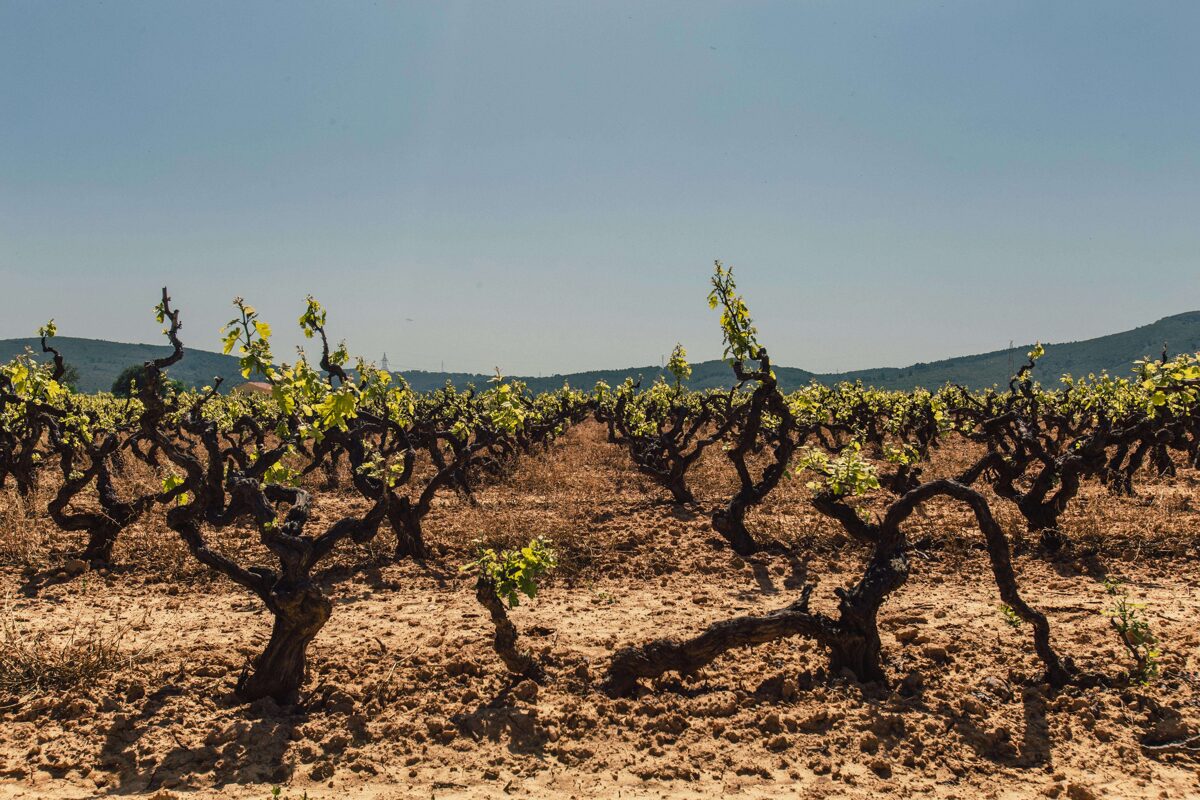
Scarcity is the simplest (and most powerful) driver: if a wine is made in small volumes and many people want it, the price will increase. Scarcity can come from small holdings, strict rules, or a rough geography that physically limits production.
In Bellmunt del Priorat for example, the regulatory body describes steep slopes (often >15%, sometimes up to 60%), terraces too narrow for machinery and very low yields- under 1 kg per vine on average. That combination naturally reduces bottle count and increases cost per bottle.
However, in the Penedès region (Catalonia’s historical heart of Cava and the nucleus of its production); the official D.O. Cava site describes an annual output around 240 million bottles, with over 95% of total output still coming from Penedès. This fact helps to explain why many high-quality, traditional-method sparkling wines from this area can be priced more accessible than classic Champagne (even when the quality is the same).
Production choices and time
Many price differences are simply cost-of-making differences.
Manual work is slower and more expensive than mechanisation. A recent peer-reviewed case-study comparison by Topan and colleagues of manual versus mechanised grape harvesting reported a reduction in labour costs. The labour cost dropping from roughly €96/ton (manual) to €24/ton (mechanised), a useful illustration of why hand-harvested fruit and hand-sorting often show up in higher bottle prices.
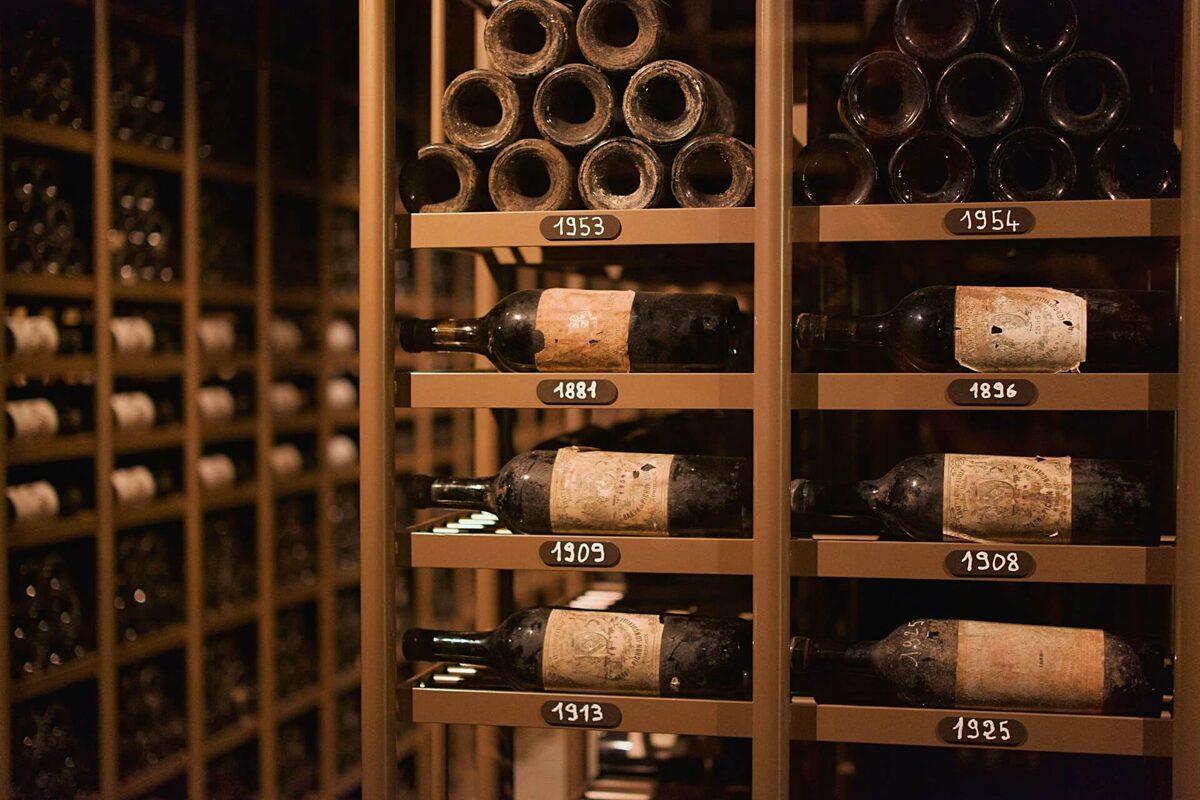
In wine, time is money more literally than in most foods, where legal or stylistic ageing ties up capital (wine, barrels, cellar space) for months or years.
The official Champagne site explains that all Champagne must spend at least 15 months maturing in cellars before release, and vintage cuvées at least three years- with many producers aging longer. For Cava, the D.O. Cava quality-control guidance explicitly ties labelling to ageing: 18 months for Reserva, and 30 months for Gran Reserva and vintage cuvées at least three years with many producers aging longer.
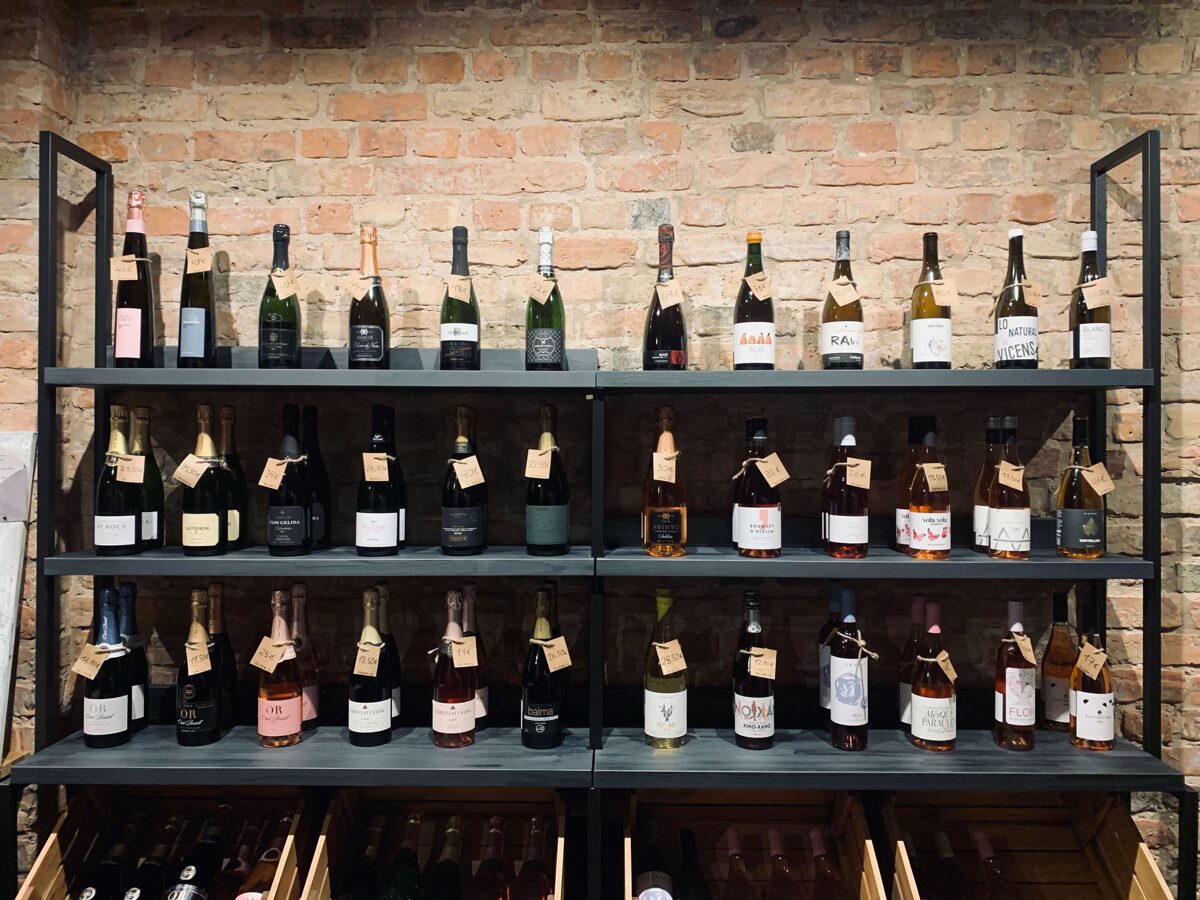
How this shows up in Raim’s catalogue
For example, La Llena de Viader spends 48+ months of aging in the bottle, while La Graua Brut Nature is elaborated with a minimum of 50 months on its fine lees.
At the lower end of the spectrum are the category minimums: D.O. Cava requires Cava de Guarda to be aged in bottle for at least 9 months. Consequently, Reserva and Gran Reserva sparkling wines, which spend significantly longer ageing time, typically cost more.
In addition, category standards must also be taken into account: the materials and requirement descriptions emphasize that Corpinnat positions itself as a strict quality seal with demanding criteria, including requirements for organic viticulture, manual harvesting, and a minimum bottle ageing of at least 18 months.
Stricter criteria generally imply higher production costs, which therefore result in higher retail prices.
Import, distribution, and local costs
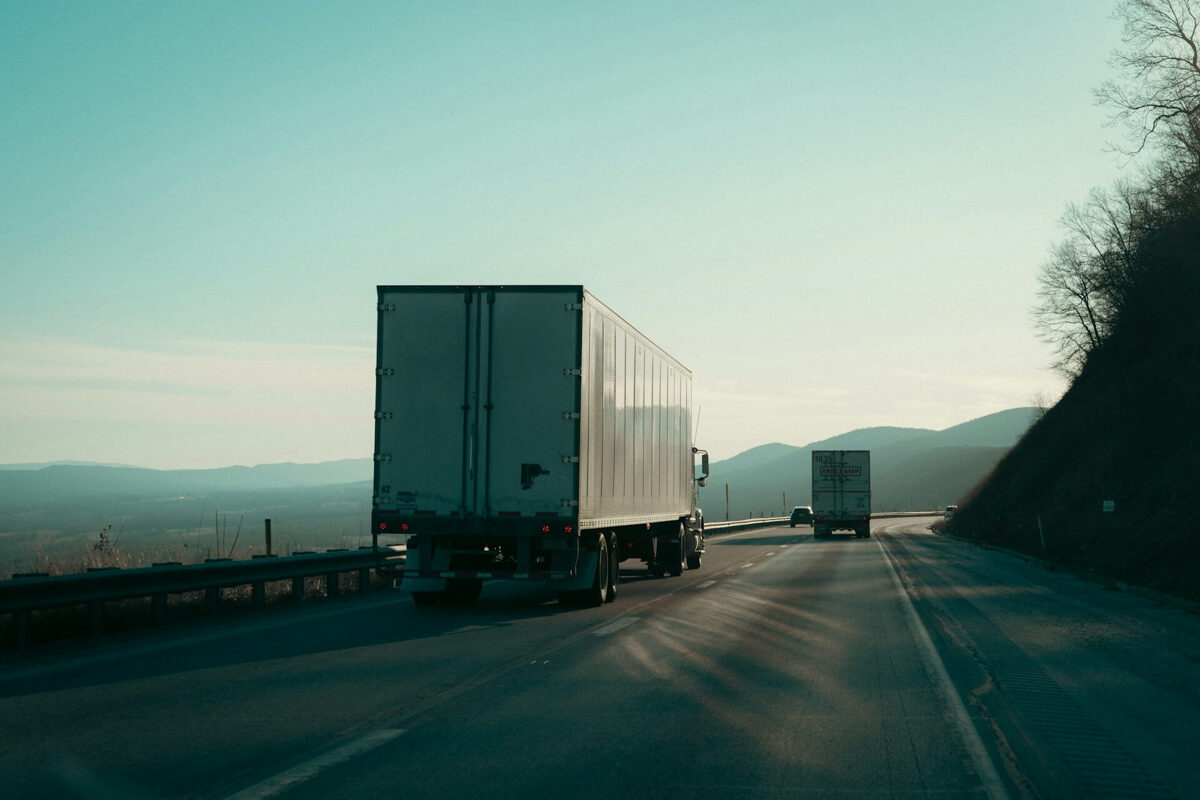
Beyond the winery, a wine’s final price is also influenced by unavoidable import and distribution costs.
For instance, importing wines from Catalonia to Latvia means international road transportation (+3000km), alcohol taxes and license, excise warehouse storage, and legally required Latvian-language labelling. Each bottle is also subject to excise duty (around €1 per bottle), Natural Resources Tax on all packaging materials (glass, corks, cages, boxes, pallets), and 21% VAT applied on all above-mentioned expenses.
Furthermore, all in-house expenses related to shop and storage rent, salaries, marketing and advetising also end up adding value to the final price.
Final thoughts
From steep vineyards to transport, taxes, and local compliance, wine pricing is the sum of many hidden costs.
At Raim Catalan Wines we are committed to provide a selection of wines where quality and its cost is not taken for granted, particularly with our long-aging, traditional-method Cava & Corpinnat sparkling wines, showing how labour, time, and distribution factors end up shaping the products that sit up on our shelves.
FAQ
Does expensive always mean better?
Not necessarily. In blind tastings where people don’t know the price, average consumers do not consistently prefer more expensive wines; a large blind-tasting analysis even found a small negative average relationship between price and enjoyment for non-experts.
Why are some sparkling wines much pricier than others?
Method and time. Champagne requires at least 15 months cellar maturation before its release; Cava has a 9‑month minimum (with longer tiers like 18-month Reserva and 36-Gran Reserva), while Corpinnat sets a minimum 18 months and is oriented toward stricter requirements such as organic cultivation. More time + stricter rules typically means higher costs.
What’s one smart buying habit that helps you get more value?
Match price to occasion and style, not status. On an ordinary weeknight, a fresh, well-made €12-€20 bottle can be a better experience than an ageworthy, structured wine opened at the wrong moment.
With the Raim wine quiz, you can quickly narrow your choice by style (sparkling, red, white, or rosé), flavour preferences, food pairings, and one of three price levels.