
What Is Orange Wine? Discover Catalonia’s Brisat Tradition
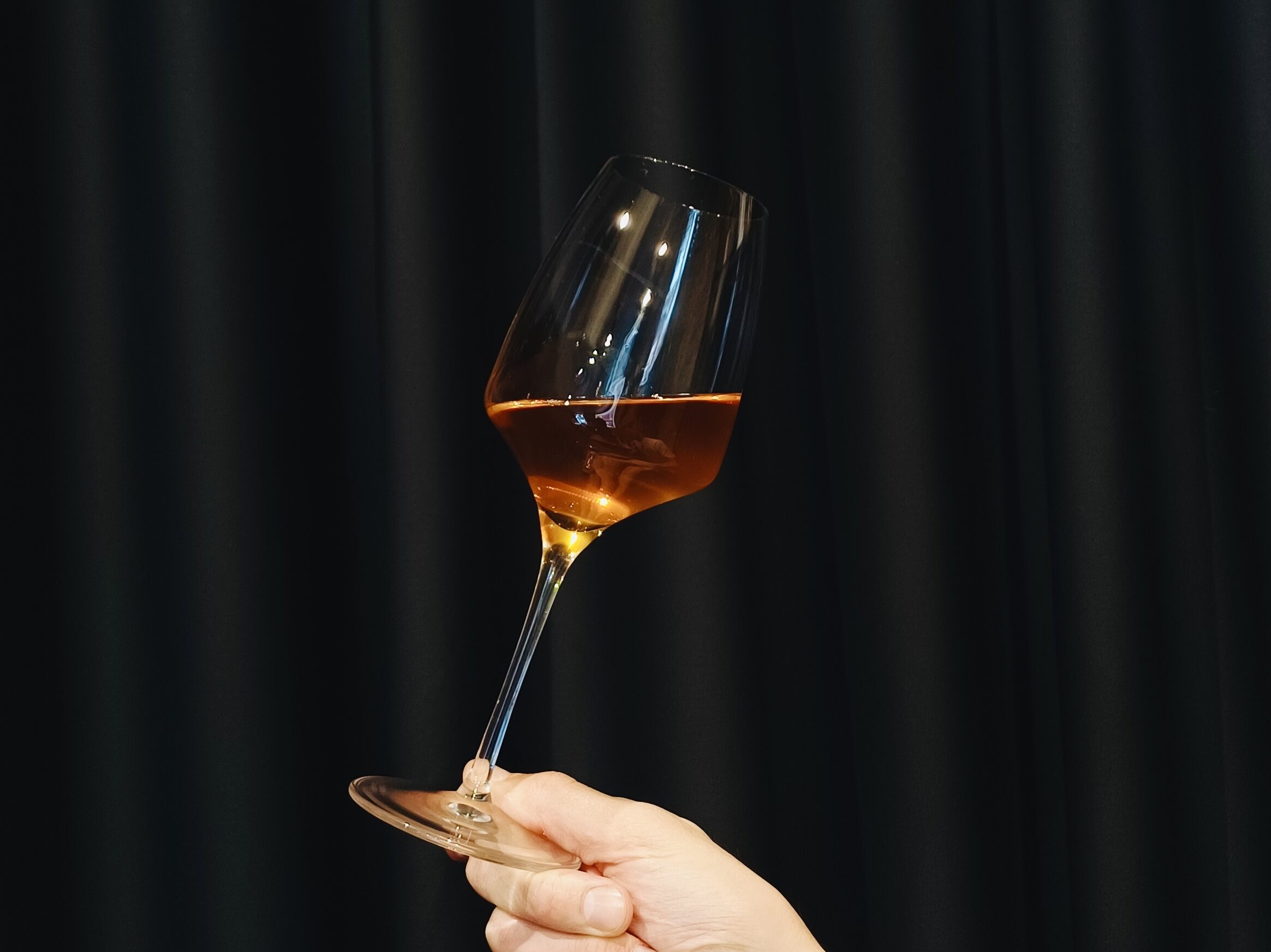
Orange wine may feel like one of the most modern trends in the wine world, but behind its contemporary image lies an ancient winemaking tradition. In Catalonia, white wines fermented with their grape skins have long been known as brisat. In this article, we explore how orange wine is made, what sets it apart from classic white wine and why this historic style has become so popular today.
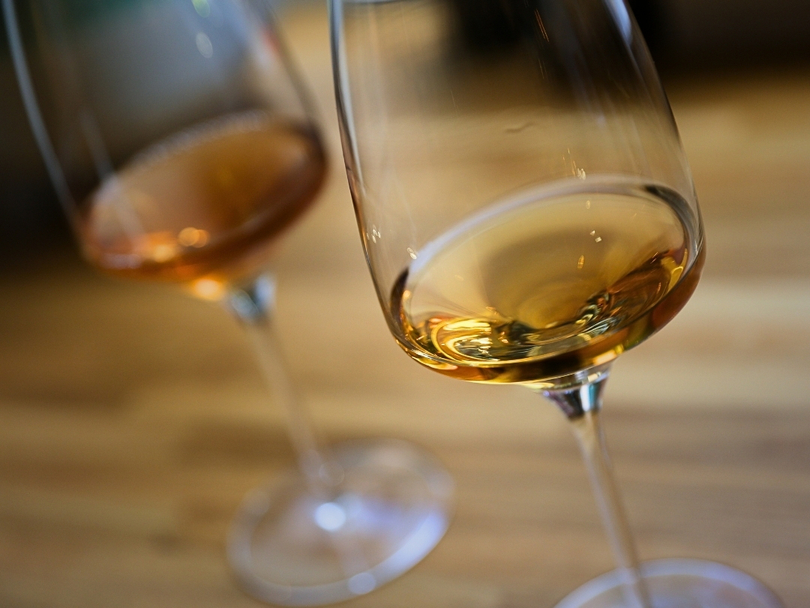
Golden, amber, cloudy, copper-coloured… orange wine certainly knows how to make an entrance. You have probably spotted it in natural wine bars, on restaurant lists or filling your Instagram feed.
But despite its decidedly modern image, orange wine is based on one of the oldest winemaking techniques in the world. And first things first: it is not made from oranges :)
In Catalonia, moreover, the tradition of making orange wines has always been an essential part of its wine identity. Like the ancient qvevri in Georgia, Catalans also built their own path along this ancient technique: the brisat.
Read on to find out more:
 © Raim Catalan Wines
What exactly is orange wine?
The secret of orange wine is hiding in a very obvious place: the grape skins. Most conventional white wines are pressed shortly after harvest. The skins, seeds and stems are separated from the juice, and the clear juice continues to the next step: the fermentation process.
Orange wine is made from white grapes, but instead of immediately separating the juice from the grape skins - as it’s normally done when making white wine - the winemaker leaves them together during fermentation. Therefore, you can think of it as a white wine made a little bit like a red wine.
The result? More colour, more texture, a little tannin and flavours that can range from fresh citrus and apricot to herbs, tea, dried fruit and nuts.
With orange wine, white grapes remain in contact with their skins during fermentation and sometimes afterwards. The process extracts colour and aromatic compounds, but also tannins, the same family of compounds responsible for much of the structure we associate with red wine.
That is why orange wine often feels different in your mouth from a classic white. It can have the freshness and acidity of white wine but the grip, body and savoury character of something closer to a light red.
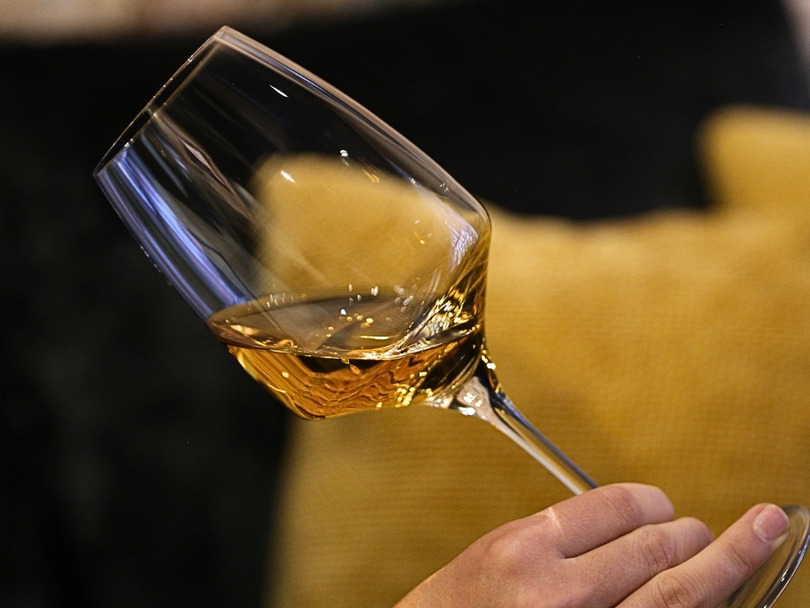
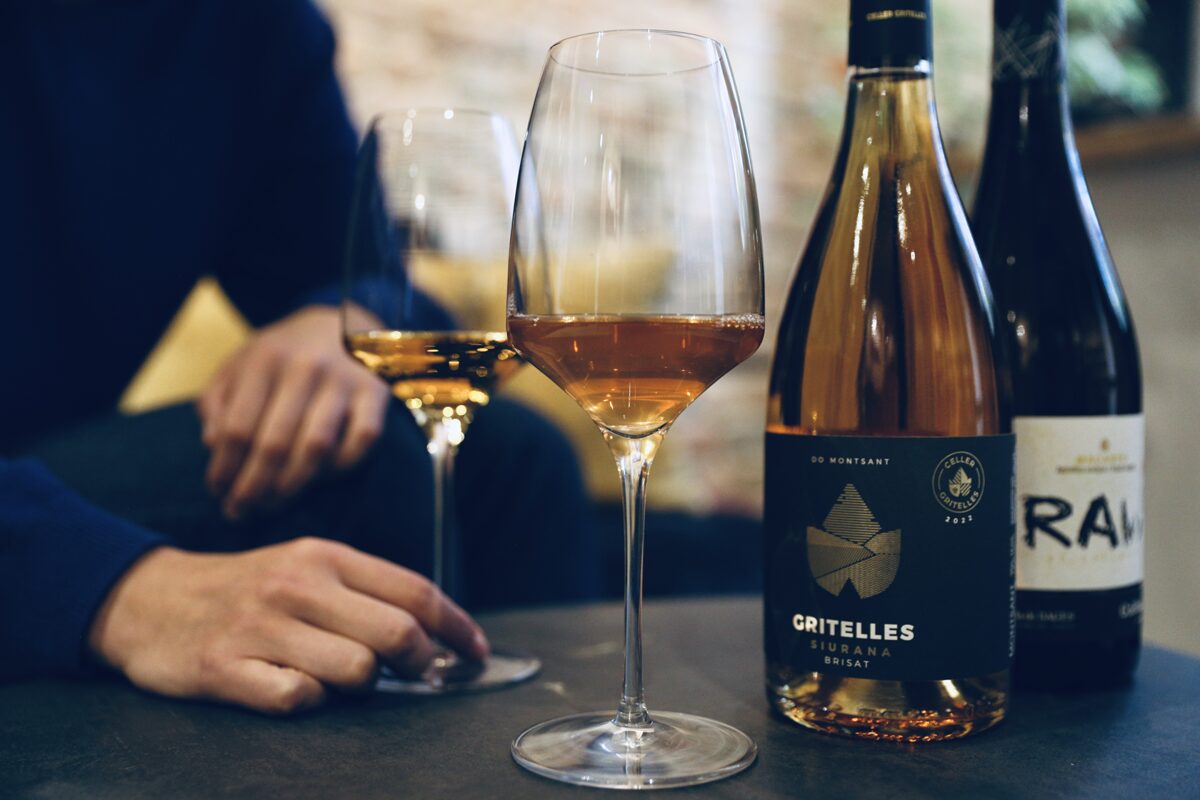
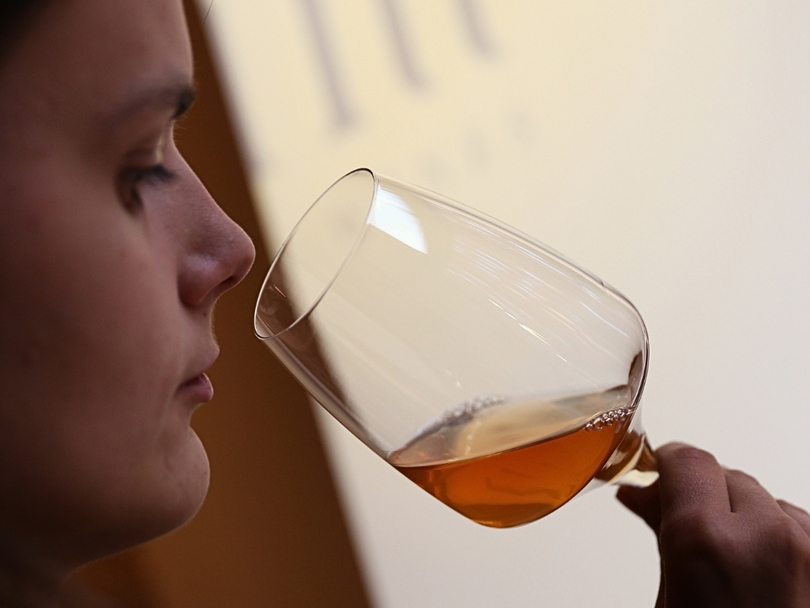
And despite the name, it does not have to be bright orange. Depending on the grape variety and winemaking, the colour can range from pale gold to amber or deep copper.
How is orange wine made?
There is no single recipe, and that is part of the fun.
After harvesting, white grapes may be destemmed and crushed, although some winemakers retain part of the stems. Instead of pressing the grapes immediately, the juice begins fermentation together with the skins. From there, the possibilities multiply.
Skin contact might last only a few days, creating a fresher, fruitier and relatively gentle orange wine. Or it can continue for weeks-or even months - producing deeper colour, firmer tannins and more complex flavours.
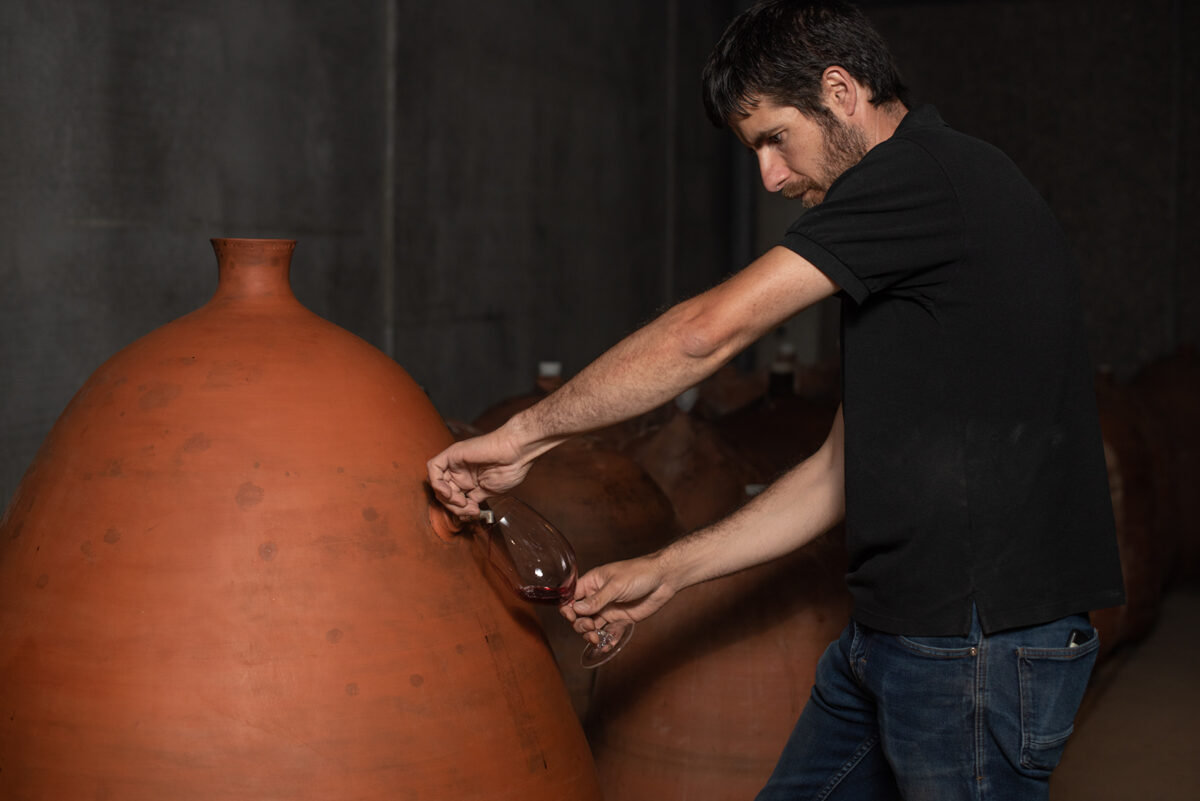
The vessel also changes the personality of the wine. Stainless steel preserves freshness and does not contribute additional flavour. Clay amphora can produce wonderfully textural wines while allowing a different relationship with oxygen. Oak may add roundness, spice and further complexity. Some adventurous Catalan producers even work with granite vessels.
Take RAW Macabeu Brisat, for example. This 100% Macabeu from DO Pla de Bages spends 12 days fermenting and macerating with its skins before ageing for five months in granite eggs.
The result moves through pineapple, peach and apricot towards citrus, balsamic notes and even a touch of brioche.
So no, orange wine is not one particular flavour. Skin contact is a winemaking technique, not a flavour profile.
 © Raim Catalan Wines
An ancient wine with a modern comeback
Skin-contact white wine is anything but new.
One of its most famous historical roots lies in Georgia, where grapes have traditionally been fermented with skins, stalks and pips in large earthenware vessels known as qvevri.
The modern orange-wine movement was later strongly influenced by producers in northeastern Italy and neighbouring Slovenia, who revived extended skin maceration for white grapes.
But Catalonia has its own chapter in the story.
Here, skin-contact white wines are traditionally called vi brisat, or simply brisat. Rather than being an imported natural-wine fashion, brisat connects today's winemakers with an older Catalan method of making white wine with the grape solids.
That heritage is especially visible in the Terra Alta wine region, where brisat wine remains an officially recognised and celebrated style. The region even awards a prize for the best Vi Blanc Brisat. In 2024, that award went to Lo Cerç 2022, a 100% Garnatxa Blanca currently found in our portfolio.
What makes Catalan orange wine special?
Catalonia has an extraordinary advantage when it comes to orange wine: Mediterranean grape varieties with personality.
Macabeu, Garnatxa Blanca and Xarel·lo can reveal completely different characters when fermented with their skins.
Macabeu is particularly fascinating. We often associate it with fresh white wines and sparkling Cava, but skin contact brings out another side: texture, citrus peel, stone fruit, herbs and sometimes an almost tea-like grip.
You can see the versatility of this grape by taking a closer look at a couple references from our selection:
Anima Mundi Pells, made from Macabeu, spends 98 days fermenting and macerating with the skins in clay amphora before a short period in French oak.
Gritelles Siurana Brisat takes Macabeu in yet another direction in DO Montsant, combining skin-contact fermentation with extended ageing for a richer, more gastronomic interpretation.
However, despite the great adaptability of Macabeu, there is one grape variety that has always led the elaboration of orange wines in Catalonia - the Garnatxa Blanca.
From DO Terra Alta, Lo Cerç Blanc Brisat ferments with the skins before a further 10-day maceration. In this orange wine elaborated 100% Garnatxa Blanca from old vineyards, you can expect orange peel, dried herbs and citrus, with enough body and intensity to rival any red.
Therefore, Catalan orange wine is not one style-it is a playground for native grapes, terroir and winemaking ideas, but a field of endless possibilities where diversity is, precisely, the main point.
But why is orange wine so trendy?
Yes, the colour helps.
Orange wine is instantly recognisable, visually beautiful and different enough to make people curious. It also fits naturally into today's interest in artisanal, organic, biodynamic and low-intervention winemaking.
But good orange wine offers much more than a photogenic glass.
It invites us to think differently about categories. Is it white? Technically, yes. Does it sometimes have tannins like a red? Also yes. Can it accompany an entire meal rather than just the starter? Absolutely.
And in Catalonia, the story becomes even more interesting because brisat connects the contemporary orange-wine movement with genuine local tradition.
So perhaps orange wine isn't really the newest trend in wine.
Maybe we're simply rediscovering something winemakers knew a very long time ago: sometimes the most interesting part of a white grape is what happens when you don't throw the skins away.
Next time you are choosing between white and red, try the third option.
Choose orange. Or, as we say in Catalonia, choose brisat.
Salut! 🍷
Article by Raim Catalan Wines ©ALL RIGHTS RESERVED.